
 April 23, 2026
 5 min read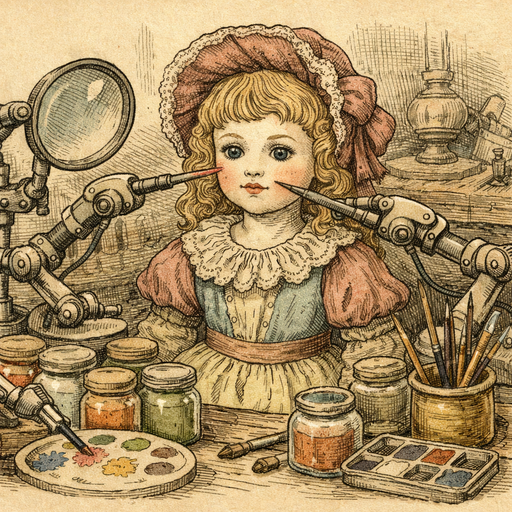
Last month, a mid-sized consulting firm discovered their entire remote workforce was accidentally catfishing clients during video calls. Not because anyone was being deliberately deceptive, but because their "professional headshots" looked so artificially perfect that colleagues didn't recognize each other when they finally met in person. The culprit? An overzealous photo editing policy that turned every employee into a porcelain-skinned corporate robot.
The company had implemented a new "brand consistency" initiative requiring all team members to use identical virtual backgrounds during client meetings. The problem wasn't the backgrounds themselves, but the headshots employees were required to submit for their internal directory and client-facing materials. In an attempt to maintain a "polished, professional appearance," the HR department had outsourced all portrait editing to a service that apparently thought everyone should look like they were made of marble.
When Corporate Photography Goes Full Uncanny Valley
The disaster unfolded during the company's first post-pandemic retreat. Employees who had worked together for months via video couldn't identify each other in person. Sarah from accounting, whose headshot showed flawless skin and perfectly symmetrical features, was actually a delightfully freckled human with laugh lines and a slightly crooked smile that made her infinitely more approachable than her digital doppelganger suggested.
The problem with heavy-handed portrait retouching isn't just that it creates unrealistic expectations, it actively undermines trust. When someone's professional photo looks like it was airbrushed by someone who learned human anatomy from Ken dolls, it sends the message that authenticity isn't valued. Clients started questioning whether they could trust people who couldn't even present their real faces.
Modern portrait retouching should enhance natural features, not erase human characteristics entirely. The goal is to look like yourself on your best day, not like you've been replaced by a computer-generated spokesperson. This means removing temporary blemishes while preserving the skin texture that makes you look human, smoothing minor imperfections while keeping the features that make you recognizable.
The AI Revolution in Natural Portrait Enhancement
The good news is that AI-powered portrait retouching has evolved far beyond the sledgehammer approach of traditional editing services. Modern tools can intelligently distinguish between temporary imperfections that should be removed (like a stress breakout before an important photo shoot) and permanent features that define your face (like freckles, moles, or expression lines that appear when you smile).
Smart retouching algorithms analyze facial structure and skin patterns to make subtle improvements that maintain authenticity. Instead of applying a one-size-fits-all smoothing filter that turns everyone into a wax figure, AI can selectively address specific issues while preserving the natural variation in skin tone and texture that makes portraits look real.
The retouch approach focuses on enhancement rather than replacement. It can soften harsh shadows under the eyes from a late night before the photo shoot, reduce the appearance of temporary blemishes, and even out skin tone variations caused by lighting, all while keeping the fundamental characteristics that make you look like yourself.
What Good Portrait Retouching Actually Accomplishes
Professional portrait retouching should be invisible to the viewer. The goal isn't to make someone look like a different person, but to present them as they would appear under ideal conditions with perfect lighting and makeup. This means addressing technical photography issues rather than biological reality.
For instance, camera sensors often exaggerate red tones in skin, making even the healthiest complexion look blotchy under certain lighting conditions. Good retouching corrects these technical artifacts while preserving natural skin texture. Similarly, harsh studio lighting can create unflattering shadows that don't accurately represent how someone looks in person.
The key is restraint and understanding the difference between correcting technical issues and imposing aesthetic preferences. Removing a pimple that appeared the morning of a headshot session makes sense. Removing every pore and line to create baby-smooth skin does not.
The Technical Side: How AI Knows What to Keep
Modern portrait retouching AI uses sophisticated analysis to understand facial structure and identify what should be considered a "defect" versus a "feature." The algorithms are trained on vast datasets of professional portraits to learn the difference between temporary skin issues and permanent characteristics.
This technology can distinguish between various types of skin imperfections based on their size, color, texture, and context within the overall facial structure. A small, raised blemish with reddish coloration is identified as a temporary issue that can be safely removed. A mole or birthmark with consistent coloration and natural-looking edges is preserved as a defining feature.
The processing happens entirely within your browser, which means your photos never leave your device. This local processing approach ensures privacy while providing the sophisticated analysis needed for natural-looking results. The AI can take its time to properly analyze your image without the rush of server-based processing that often leads to over-aggressive editing.
Building Trust Through Authentic Professional Images
The consulting firm's story had a happy ending, sort of. They scrapped their previous photo policy and allowed employees to submit more natural-looking portraits. The difference in client relationships was immediate and positive. People seemed more approachable, meetings felt more personal, and the uncanny valley effect that had been subtly undermining trust disappeared.
Professional photography should enhance confidence, not create anxiety about whether you can live up to your own headshot. When portrait retouching is done well, it gives people the confidence that comes from presenting their best authentic self. When it's overdone, it creates the opposite effect, making people self-conscious about the gap between their edited image and reality.
For companies building their professional image libraries, the goal should be consistency in quality and lighting rather than consistency in facial features. Every employee should look polished and professional, but they should also look like themselves.
Conclusion
The corporate world's obsession with perfect imagery often backfires spectacularly, creating the very unprofessionalism it seeks to avoid. Good portrait retouching enhances natural features while preserving the characteristics that make someone recognizable and trustworthy. The technology exists to do this well, the question is whether organizations have the wisdom to use it appropriately. In a world increasingly skeptical of artificial perfection, authenticity becomes the ultimate professional asset.

Try it yourself
Free, private, runs in your browser. No sign-up required.