
 June 1, 2026
 5 min read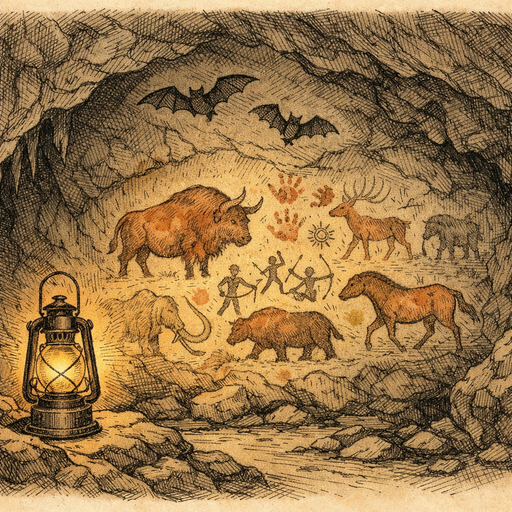
Last week, my cousin decided to honor our late grandmother by creating a family cookbook. She'd carefully photographed every handwritten recipe card, each faded grocery list, and even the mysterious notes scribbled in the margins of her favorite Betty Crocker cookbook from 1962. The plan was beautiful: a bound collection of four generations of family cooking wisdom. The execution? Well, let's just say the photos looked like they were taken during a lunar eclipse with a potato.
The kitchen lighting had turned Grandma's famous apple pie recipe into something resembling a hostage note. The flash had bounced off the plastic sleeves, creating white-hot spots that completely obliterated crucial measurements. And don't get me started on the shadows that made "1 cup flour" look like "1 cup four" or possibly "I am poor." The whole project was heading straight for the recipe graveyard, alongside every other well-intentioned family documentation effort that dies from technical difficulties.
When Good Intentions Meet Bad Lighting
about photographing family recipes: they're usually stored in the most photographically hostile environments imaginable. Recipe cards live in kitchen drawers next to batteries and rubber bands. Cookbooks get photographed on kitchen counters under harsh overhead fluorescents that make everything look like a crime scene. And family members trying to preserve this culinary heritage are typically armed with smartphones, good intentions, and absolutely zero understanding of why their photos look like they were taken in a haunted house.
The lighting problems multiply faster than sourdough starter. Kitchen fluorescents cast an eerie green tint that makes handwritten recipes look like they were penned with radioactive ink. Smartphone flashes create glare spots that erase entire ingredients from existence. And natural window light? Good luck reading anything when half the recipe card is in shadow and the other half is bleached whiter than hospital sheets.
My cousin's cookbook photos suffered from all these issues simultaneously. The handwriting was barely visible, the paper looked yellowed beyond recognition, and several crucial family recipes were completely unreadable. Three months of work was about to become an expensive paperweight.
The Secret Ingredient: AI Enhancement
That's when she discovered that AI enhancement could work miracles on poorly lit documentation. The enhance tool automatically adjusts brightness, contrast, and color balance to reveal details that seem completely lost in bad lighting. It's like having a professional photo studio's worth of equipment, except it runs entirely in your browser without uploading anything to mysterious servers.
The transformation was genuinely stunning. Recipe cards that looked like they'd been photographed in a cave suddenly became perfectly readable. The mysterious green tint from kitchen lighting vanished, replaced by natural-looking colors that made the vintage paper look authentically aged rather than radioactively contaminated. Handwriting that had disappeared into shadows emerged clear and sharp, revealing ingredients and measurements that had seemed lost forever.
What impressed me most was how the AI distinguished between intentional aging and lighting problems. It preserved the authentic vintage character of the recipe cards while eliminating the technical photography issues. Grandma's 60-year-old apple pie recipe still looked properly historical, but now you could actually read that it calls for "2 tsp cinnamon," not "2 tsp cimmamon" or whatever shadow-obscured hieroglyphic had appeared in the original photo.
Beyond Family Recipes: Documentation That Actually Works
This experience opened my eyes to how often important documentation gets ruined by lighting problems. Legal documents photographed under desk lamps become unreadable. Insurance claim photos taken in poor lighting fail to show crucial details. Even simple tasks like photographing business cards or whiteboard notes often result in unusable images that defeat the entire purpose of digital documentation.
The beauty of AI enhancement is that it fixes these problems after the fact, when you're safely away from the scene of the photographic crime. You don't need to return to your grandmother's kitchen with professional lighting equipment. You don't need to explain to your insurance adjuster why you need to re-photograph the damaged property. The enhancement happens in your browser, your photos never leave your device, and the results often look better than if you'd had perfect lighting to begin with.
For family cookbook projects specifically, this technology is revolutionary. Recipe preservation has always been one of those "we should really do this" family projects that gets derailed by technical difficulties. Now you can photograph everything with your phone, enhance the images to professional quality, and create a cookbook that actually honors the recipes rather than making them look like evidence from an unsolved mystery.
The New Family Archivist
My cousin's cookbook project went from disaster to family treasure in about twenty minutes of AI enhancement. The final product looked so professional that relatives started asking where she'd found such a skilled photographer. She's now the designated family archivist, armed with the knowledge that even terrible photos can be rescued with the right tools.
The cookbook itself became a hit at our last family reunion. Cousins were actually cooking from it, rather than just admiring it as a coffee table decoration. And the best part? She's already planning volume two, with zero anxiety about lighting conditions or photography skills. Sometimes the best family traditions start with fixing the worst family photos.
Conclusion
Family recipe preservation shouldn't require a photography degree or professional lighting equipment. When poor lighting threatens to turn your cookbook project into an expensive disappointment, AI enhancement can rescue those crucial details from the shadows. Whether you're documenting grandmother's secret ingredients or just trying to read your own grocery list, sometimes a little artificial intelligence is exactly what you need to preserve the things that matter most. And unlike your relatives' cooking advice, it actually works every time.

Try it yourself
Free, private, runs in your browser. No sign-up required.