
Last month, my neighbor knocked on my door holding a shoebox that looked like it had survived both world wars and possibly a flood. "You're good with computers," she said, which is apparently code for "please solve this mystery that's been haunting my family for three generations." Inside the box were dozens of black-and-white photographs from her great-grandfather's archaeological expedition to Peru in 1923, along with a handwritten note that simply read: "The temple walls were painted in brilliant blues and golds, unlike anything we'd ever seen."
The photos were stunning but frustratingly monochrome. There was her great-grandfather standing next to intricate carved stonework, team members examining pottery fragments, and sweeping shots of ancient structures against mountain backdrops. But without color, half the story was missing. How do you convey "brilliant blues and golds" in shades of gray?
When Black and White Photos Hide the Real Story
This isn't just a family history problem. Museums, historical societies, and archives around the world are sitting on millions of black-and-white photographs that capture moments when color was everything. Think about it: a photo of a 1950s diner loses something essential when you can't see the cherry-red booth vinyl or the mint-green counter. A shot of a Civil Rights march becomes more powerful when you can distinguish the different colored signs and clothing that organized the crowd.
The traditional solution was hiring professional colorization artists who'd spend hours researching historical accuracy and painstakingly painting each pixel. We're talking hundreds of dollars per photo and weeks of waiting. For most people with a shoebox of family memories, that's not exactly realistic.
The AI Detective Work
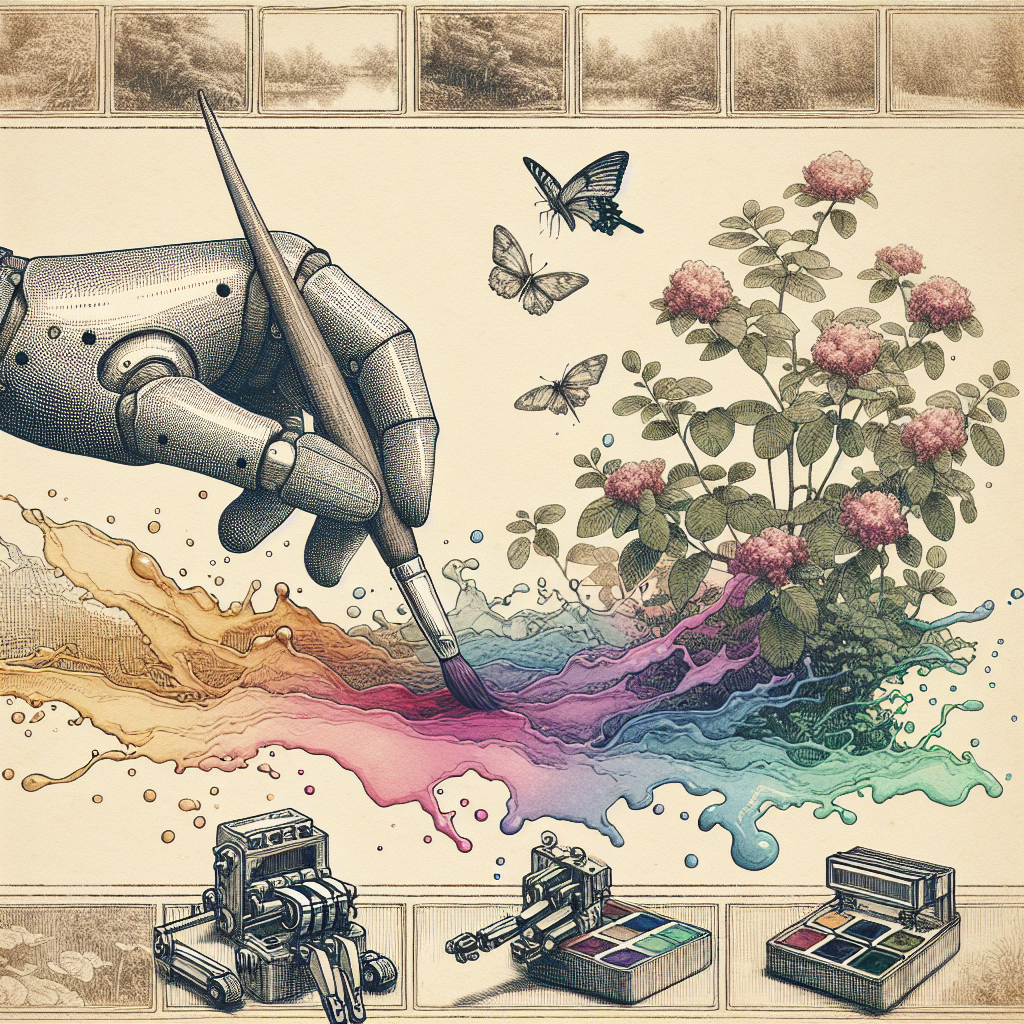
Modern AI colorization has gotten surprisingly sophisticated at playing historical detective. The technology doesn't just randomly splash colors around, it analyzes contextual clues within the image. Skin tones, fabric textures, architectural materials, vegetation, sky gradients, and even shadow patterns all provide hints about what colors should go where.
For my neighbor's archaeological photos, this meant the AI could distinguish between different types of stone (limestone tends toward warm beiges, granite toward cooler grays), identify vegetation that would suggest tropical versus temperate climates, and recognize clothing materials that had standard color ranges in the 1920s.
The colorize tool processes everything directly in your browser, which meant we could experiment with different photos without worrying about uploading precious family documents to some random server. We spent an afternoon going through the entire collection, and honestly, it felt like watching these century-old moments come back to life.
The Moment Everything Clicked
The breakthrough came with a photo of pottery shards laid out on a white cloth. In black and white, they looked like unremarkable broken ceramics. But after colorization, distinct patterns emerged: deep terracotta bases with turquoise geometric designs. Suddenly, her great-grandfather's notes about "intricate painted patterns" made perfect sense. We could actually see what had excited him enough to document it a century ago.
The temple wall photos revealed warm sandstone backgrounds with traces of what might have been painted decorations in muted blues and ochres. Not the "brilliant" colors mentioned in his notes (those had likely faded even by 1923), but enough to understand why he'd been so captivated by the contrast.
Beyond Family Mysteries
This experience got me thinking about all the contexts where colorization adds genuine value. Real estate agents dealing with black-and-white historical property photos. Genealogists trying to make family trees more engaging. Local historical societies wanting to create more compelling museum displays. Even graphic designers working with vintage imagery for retro projects.
The key is understanding what colorization can and can't do. It's not going to recreate exact historical colors with documentary precision, but it can breathe life into images in ways that help viewers connect with the subject matter. Sometimes that emotional connection is more valuable than technical perfection.
We ended up creating a digital album for my neighbor's family reunion, with before-and-after comparisons of each photo. Her cousins were fascinated to see their shared great-grandfather's world in a completely new light. One cousin, who's studying archaeology herself, said the colorized images helped her understand why he'd chosen that particular site for excavation.
Conclusion
That dusty shoebox turned into one of the most interesting digital projects I've worked on in years. Not because the technology was complex (it's actually remarkably simple to use), but because it solved a real human problem: how do you bridge the gap between past and present when half the sensory information is missing? Sometimes the answer is as simple as adding color to help people see what someone a century ago was trying to show them. The photos never left our devices, the processing was instant, and the results gave an entire family a richer connection to their history.
Try it yourself
Free, private, runs in your browser. No sign-up required.